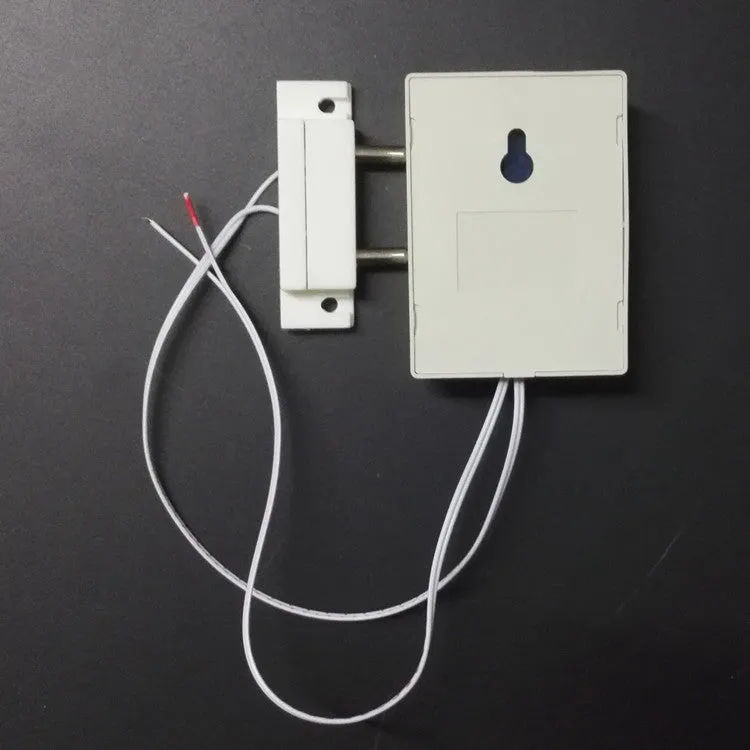
Water level sensor with separated controller and relay, normally open normally closed output, 10-15VDC, white, for pump control in tanks, ponds, water towers and heaters


Water level sensor with separated controller and relay, normally open normally closed output, 10-15VDC, white, for pump control in tanks, ponds, water towers and heaters
Water Level Sensor with Separated Controller and Normally Open Normally Closed Relay
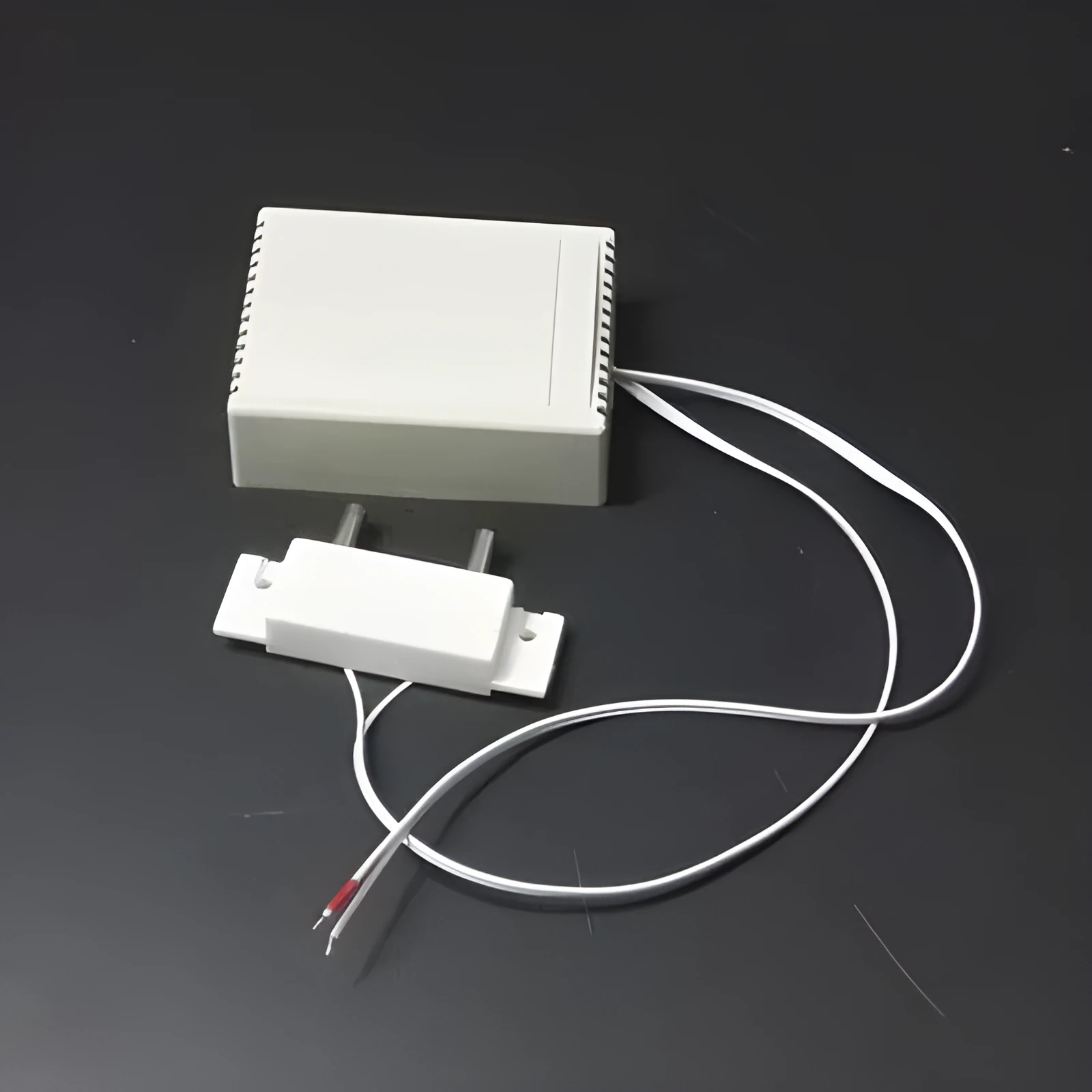
This water level sensor combines a separate sensing point, controller and relay output for water-level-dependent switching. When water rises above the sensor, the relay operates and can either stop or start a connected pump, depending on the chosen contact and circuit arrangement. Normally open and normally closed outputs support both switching requirements without changing the basic detection principle. The white unit is intended for water towers, water heaters, fish tanks, fish ponds and pumping applications. It can also provide a water-related signal in equipment rooms, libraries, garages, warehouses, archives and other locations identified in the source. Key buying details include its 10-15VDC supply, working current below 100mA, isolated sensor-to-controller arrangement and stated relay load ratings.
Water Detection and Relay Operation
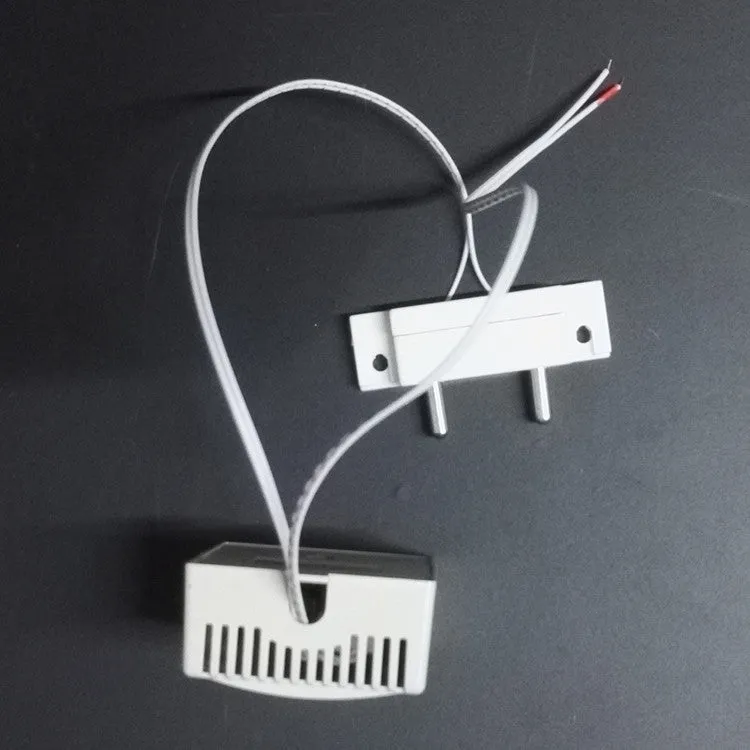
The operating sequence is based on water reaching a level higher than the sensor. Relay action then changes both output states, allowing the installer to choose whether the connected circuit closes or opens at that point.
Separated Sensor and Controller
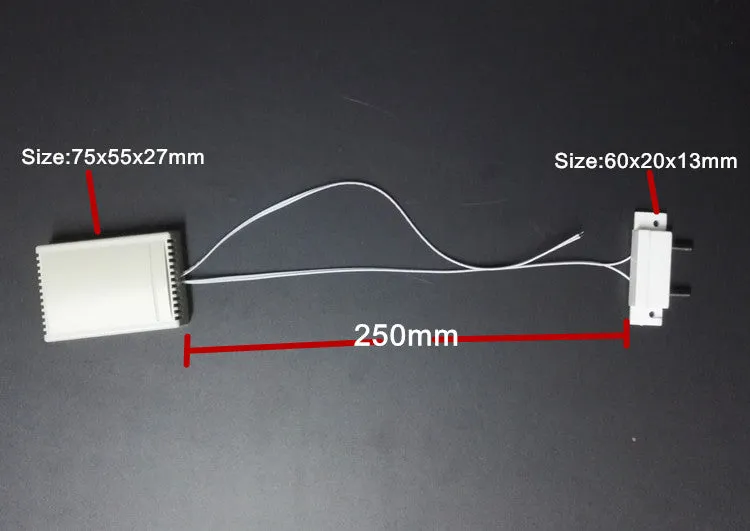
The sensor is separated from the controller rather than being presented as a single combined assembly. This arrangement is described as providing good isolation and leaving the controller unexposed to water at the sensing position. It is relevant when the detection point must sit where the water level changes, while switching is handled by the separate controller. The source also identifies anti-interference behaviour, high sensitivity and rapid response as product characteristics. Accurate detection without false alarms is stated, although no numerical sensing tolerance, response time or detection range is supplied.
Normally Open and Closed
Two relay contact states are available through the normally open and normally closed signal output. Before relay operation, the normally open contact remains open and the normally closed contact remains closed. When the water level becomes higher than the sensor and the relay acts, those states reverse: normally open becomes closed, while normally closed becomes open. This gives a straightforward way to match the sensor to the required control logic. The source does not specify terminal markings, wiring diagrams or contact configuration beyond these two output states, so those details should be confirmed from the supplied unit before connection.
Pump Start and Stop
Pump control is a principal use of this level sensor. Depending on how the output is wired, relay operation can stop a pump that is working or start a pump when water reaches the sensing point. This supports applications where a fixed level must trigger a change in pumping activity, including water towers, heaters, tanks and ponds. The description also refers to controlling high-current equipment in important locations, but the relay contacts still have explicit load limits. Equipment selection must therefore be based on the published ratings rather than on a general assumption that every pump or installation can be connected directly.
Electrical Ratings and Installation Limits
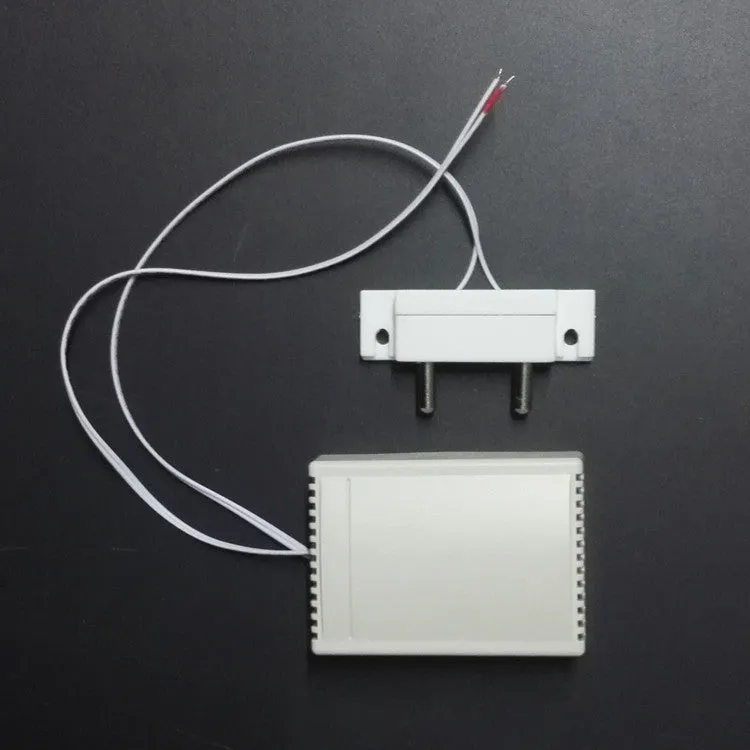
The electrical specifications provide the main measurable buying information. Supply requirements, working current and relay contact capacity should be checked together with the intended pump or signal circuit before installation.
Low Voltage Working Supply
The stated working voltage is 10-15VDC, giving a defined direct-current supply range for the controller. Working current is less than 100mA. Other working voltages can be customised, but no alternative voltage values are listed, so a nonstandard requirement would need to be agreed rather than assumed. These figures relate to the device’s operation and should not be confused with the separate relay load specification. No power adapter, battery, supply cable or connector is expressly listed in the package information, and the exact contents remain unspecified beyond the sensor and separated controller arrangement.
Relay Contact Load Ratings
The relay is rated for a load of 250V 10A AC or 30V 10A DC, and equipment below the applicable range can be used. These are two distinct ratings for alternating-current and direct-current circuits, not interchangeable values. The intended load should be checked against the correct one before wiring. This is especially important where the description mentions pumps, high-current equipment or signal control in facilities. No motor horsepower, inrush-current allowance, contactor requirement or other switching capacity is given. Accordingly, the description supports the stated contact limits but does not establish compatibility with every pump or electrical installation.
Colour and Unspecified Physical Details
The listed colour option is white. Beyond that option and the separated construction, the source provides no enclosure material, sensor dimensions, controller dimensions, mounting-hole spacing, cable length or ingress-protection rating. Those omissions matter when planning a physical installation, so available space and connection requirements should not be inferred from product photographs or general category conventions. Likewise, no operating-temperature range or supported liquid specification is supplied. The known applications establish the intended water-level uses, while the missing measurements and material data remain limits of the available product information rather than details that can be safely estimated.
Applications and Practical Buying Value
The same relay-based detection arrangement serves domestic water containers, pumping installations and facility signal circuits. Its practical value comes from defined switching behaviour and electrical ratings rather than unsupported claims about construction or service life.
Fish Tanks and Ponds
Fish tanks and fish ponds are both named applications. In these settings, the sensor provides a fixed detection point at which relay action can change pump operation. A user can select the normally open or normally closed output according to whether that event must close or open the connected circuit. The product description does not specify a tank capacity, pond size, mounting bracket or number of sensors. It also gives no feeding, filtration or aquatic-safety functions. Its stated role is specifically water-level detection and associated pump or signal control, with placement determined by the level at which switching is required.
Water Towers and Heaters
Water towers, water heaters and pumping pumps are also identified as suitable occasions for use. The relay can stop pumping when the rising level reaches the sensor, or start pumping through the alternative output behaviour. This makes the operating principle relevant to installations where a visible or accessible sensing point is used to initiate a control change. The product is not described as a continuous level display or multi-level controller, and no additional probes are specified. Buyers should therefore treat it as the stated sensor-and-relay system, using the published voltage, current and load figures to assess the intended circuit.
Signal Use in Facilities
Base stations, machine rooms, libraries, garages, warehouses and archives are listed among the important occasions where the sensor can provide control or signalling. The normally open and normally closed output changes give a clear electrical response when water exceeds the sensing position. Separation of the sensor and controller remains relevant because detection and relay handling are divided between the two parts. The source does not describe an audible alarm, network connection, remote notification or building-system protocol. Consequently, its facility use should be understood through the available relay signal, with any wider alarm or monitoring functions dependent on equipment not specified here.