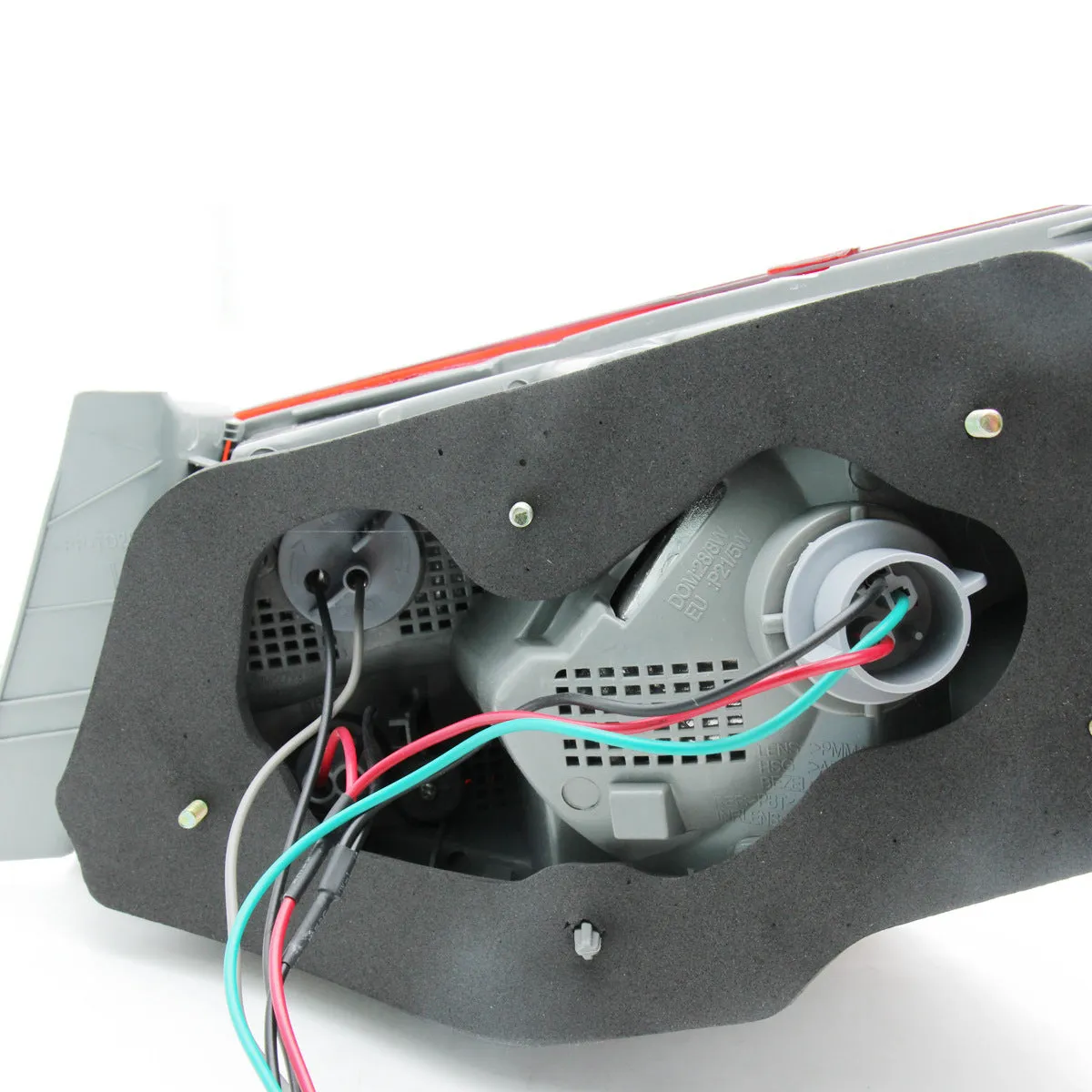
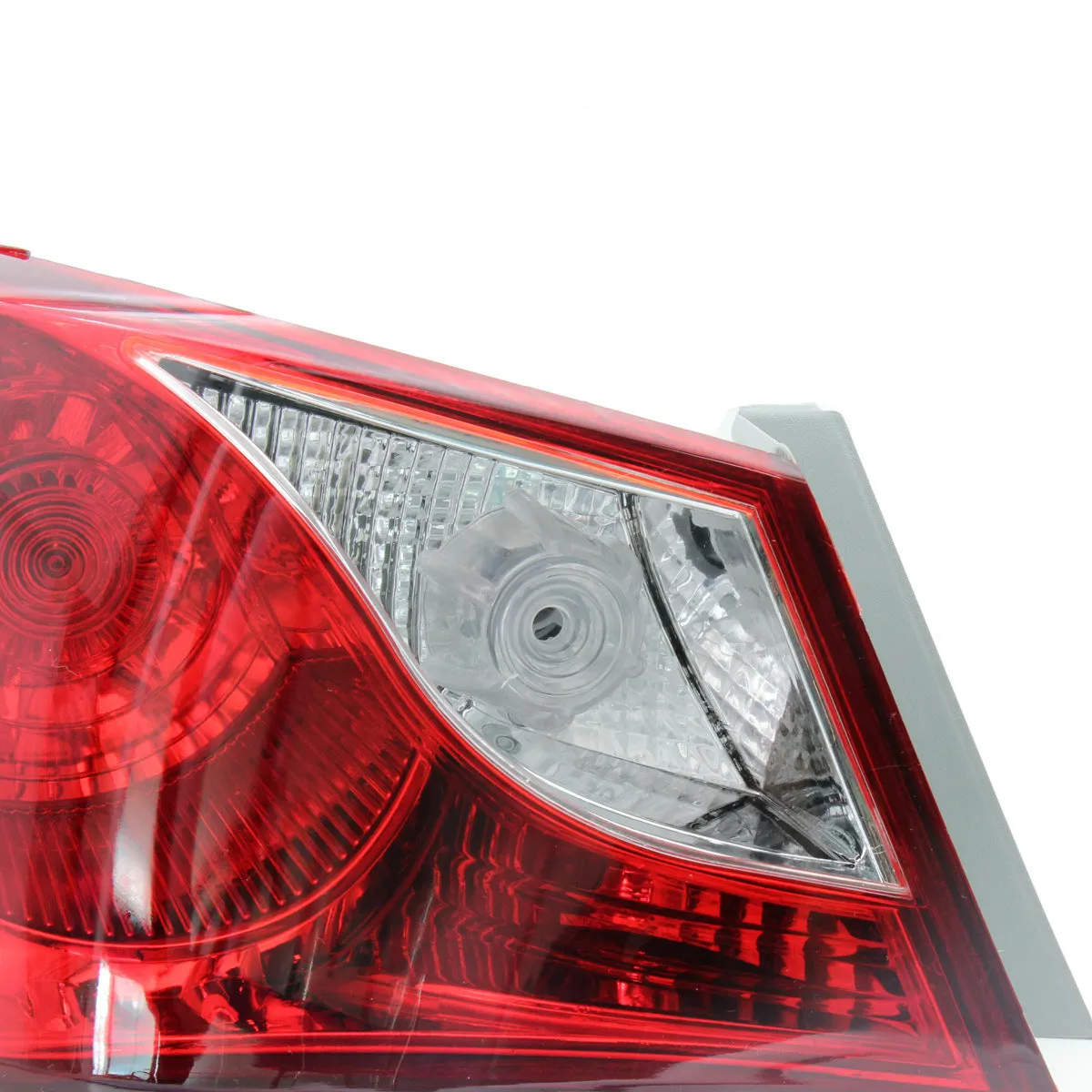
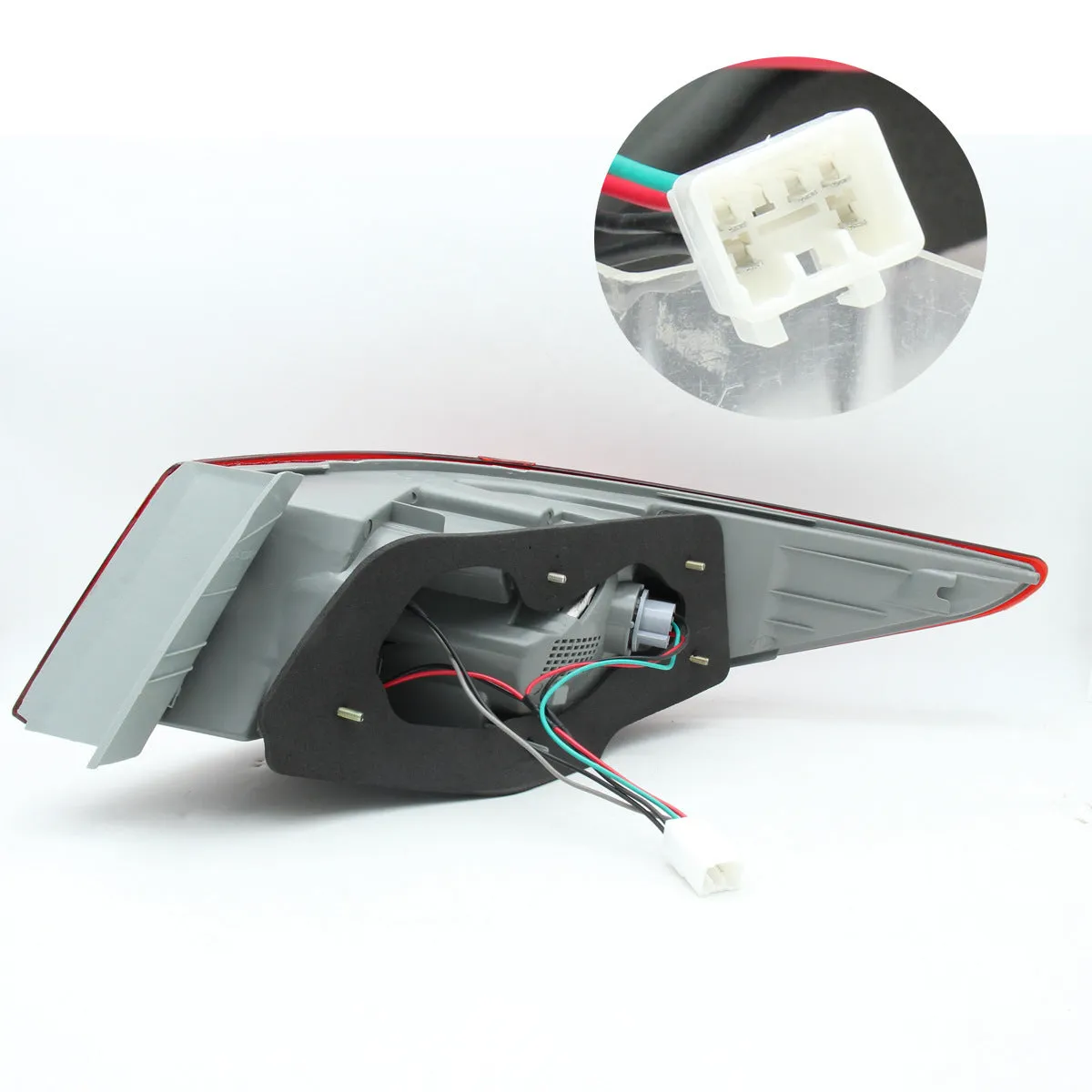
Hyundai Sonata Tail Light Assembly Without Bulb Outer Half Replacement Part ABS+ALU Construction Red Glowing Colour 56x34x17cm Dimensions 2011-2014 Models Fits 6000-6700K Colour Temperature 50000 Hour Lifetime


Hyundai Sonata Tail Light Assembly Without Bulb Outer Half Replacement Part ABS+ALU Construction Red Glowing Colour 56x34x17cm Dimensions 2011-2014 Models Fits 6000-6700K Colour Temperature 50000 Hour Lifetime
Hyundai Sonata Outer Tail Light Half Assembly for 2011-2014 Models with Protective Features

This Hyundai Sonata tail light half assembly is engineered as a precise replacement component for the outer section of the rear light cluster on vehicles from the 2011 to 2014 model years. It allows for a focused repair, potentially avoiding the cost and complexity of replacing a complete light unit. The assembly is specified with concrete technical data including its construction from ABS and ALU, its red glowing output, and integrated electrical protections. This product is supplied as a single unit, ready for installation by a qualified individual familiar with automotive electrical systems.
Features and Construction

This assembly is defined by its specific fitment and technical specifications sourced from the manufacturer. It is not a generic part but one tailored to a particular vehicle make, model, and year range.
Material and Build
The housing and internal structure utilise ABS plastic and ALU (aluminium). ABS is a standard thermoplastic in automotive exteriors for its durability and resistance to environmental factors, while aluminium components can assist with heat dissipation from the LED elements, though the specific internal layout is not detailed. The build incorporates stated protective functions: reverse connection protection prevents damage if the electrical polarity is accidentally reversed during installation, and open circuit protection is a safeguard within the unit's design.
Size and Practical Fit
The external dimensions are precisely given as 56cm by 34cm by 17cm. This size corresponds to the outer half of the Sonata's tail light assembly for the stated model years. Ensuring this dimensional match is crucial for a correct physical installation and maintaining the vehicle's original body lines and appearance. The product is confirmed as suitable for Hyundai Sonata models produced between 2011 and 2014.
Uses and Placement
This component serves a clear, singular purpose within a very specific context. Its use is tied directly to automotive repair and maintenance.
Event or Professional Use
For professional mechanics or body shop technicians, this part enables a efficient repair path. Instead of sourcing and fitting an entire new tail light assembly, which may be more expensive and involve more labour, they can replace just the damaged outer half if the inner section remains functional. This can be a cost-effective solution for both the workshop and the vehicle owner in cases of isolated damage from minor collisions or impact.
Everyday Home Use
For the knowledgeable home mechanic with experience in automotive electrical work, this assembly provides the exact part needed to restore full lighting function and vehicle safety compliance after a failure or damage to the outer lens or housing. It is critical that the installer confirms the vehicle model year matches (2011-2014) and understands the basic DC12V system and connection process, utilising the built-in electrical protections.
Benefits and Buying Value
The value of this product lies in its specificity and the practical data provided, which informs the purchasing decision.
Reuse and Low Maintenance
The product's stated 50,000-hour lifetime suggests a long operational period under normal use, which aligns with the expectation of a durable automotive component. The protective features (reverse connection, open circuit) are designed to prevent premature failure from common installation errors or electrical faults, contributing to reliable, low-maintenance operation once correctly fitted.
Why Choose This Product
Choosing this assembly is justified by its direct compatibility with the 2011-2014 Hyundai Sonata, eliminating guesswork. The provision of detailed specifications—such as the 6000-6700K colour temperature, 90-120LM/W brightness, power consumption details, and extensive operating temperature range (-40°C to 600°C)—allows for an informed comparison against the vehicle's original equipment or other potential replacements, based solely on the available facts.