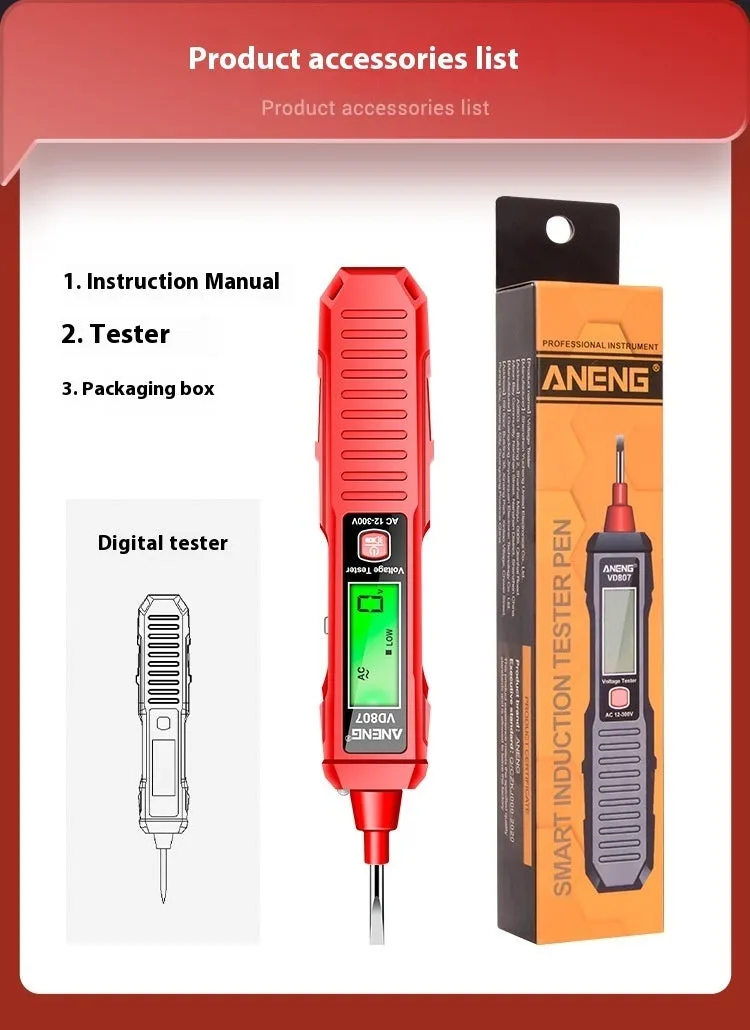
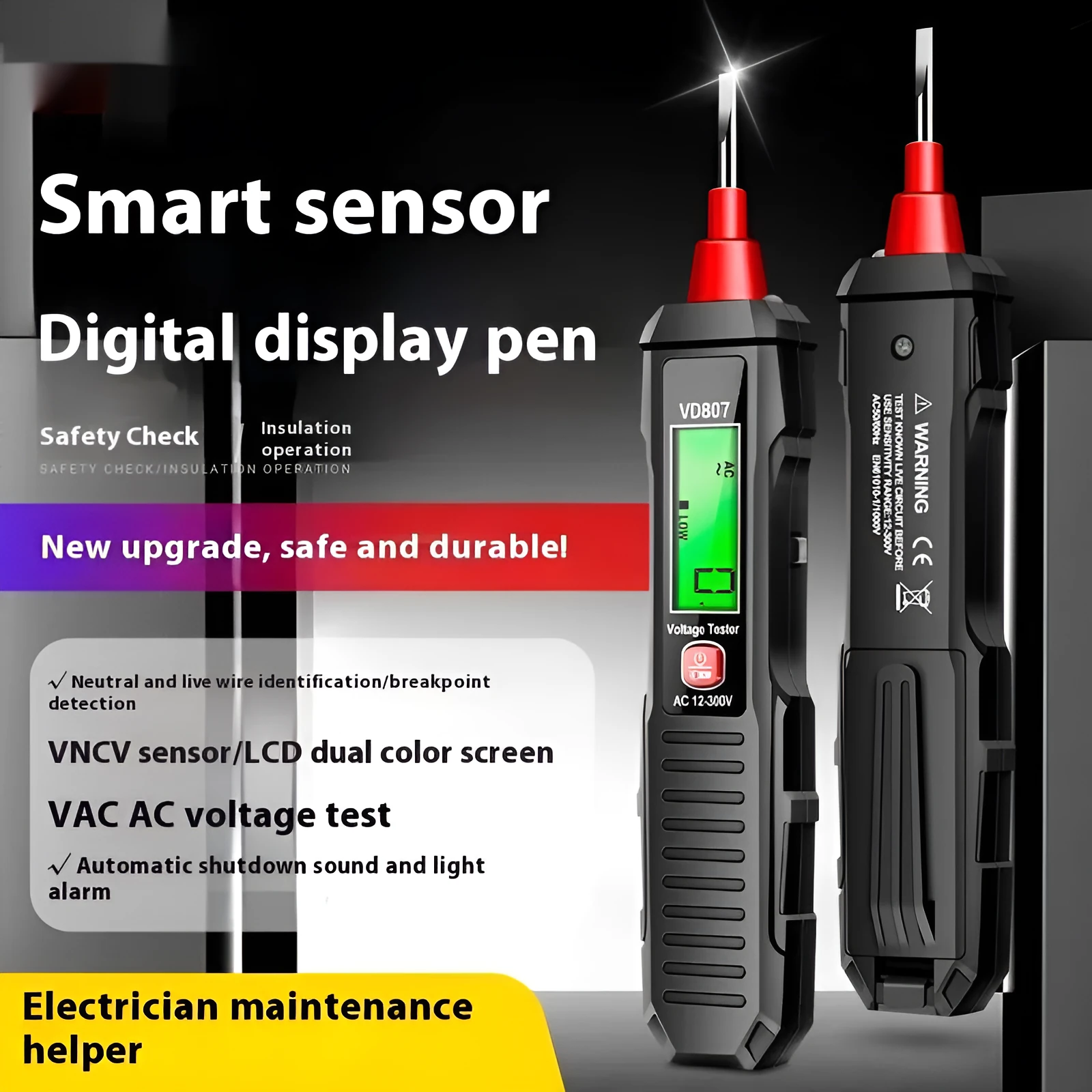
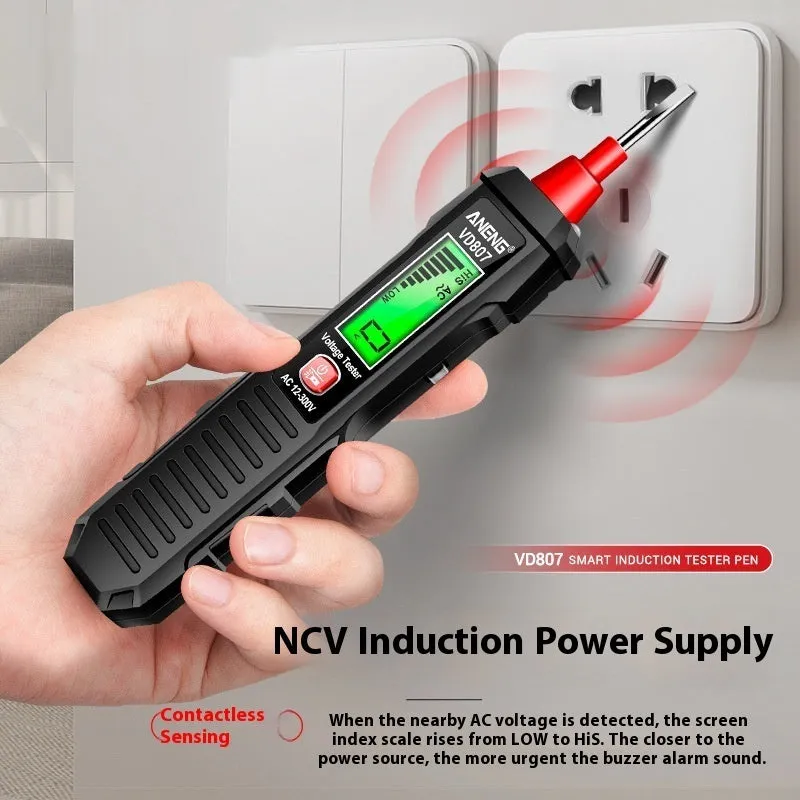
Digital voltage testing pen with high-sensitivity zero line detection, portable plastic pen design for 12V to 300V AC/DC voltage measurement with LCD display and Level 1 accuracy rating


Digital voltage testing pen with high-sensitivity zero line detection, portable plastic pen design for 12V to 300V AC/DC voltage measurement with LCD display and Level 1 accuracy rating
Digital Voltage Testing Pen with High-Sensitivity Zero Line Detection and LCD Display
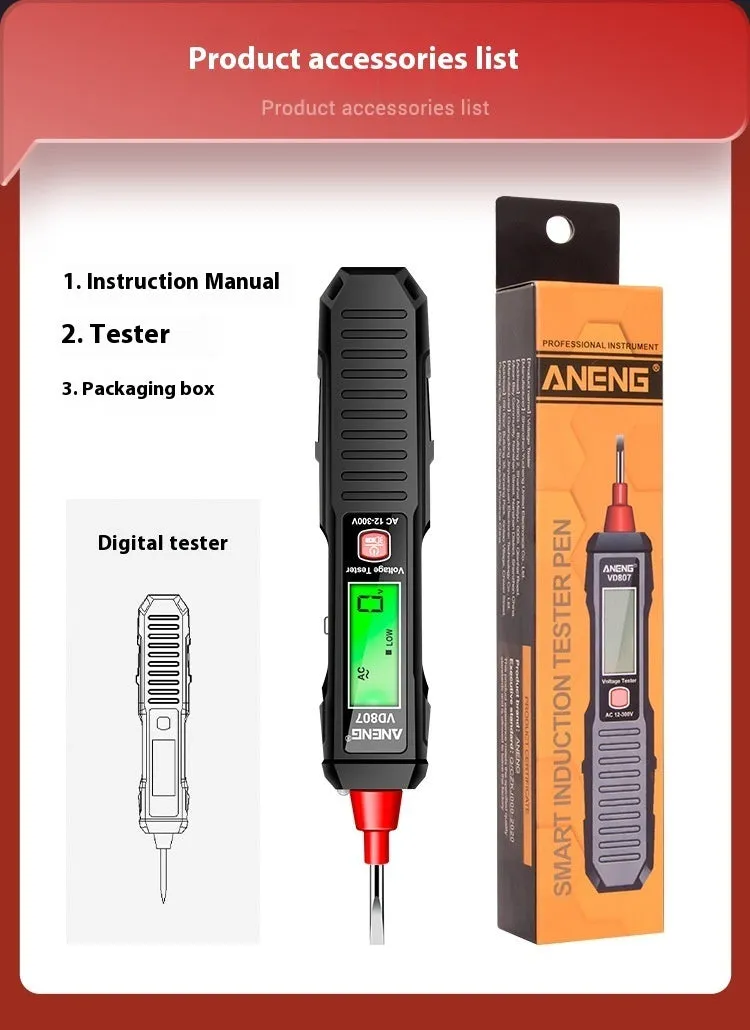
This digital voltage testing pen provides electricians, engineers, and DIY enthusiasts with a portable, precise tool for checking electrical circuits. Unlike simple neon testers, it features a liquid crystal display that shows a numerical voltage reading from 12V to 300V, covering common low-voltage applications up to standard mains voltage levels. Its specialised high-sensitivity zero line detection function helps users correctly identify neutral wires within installations, adding a layer of safety and diagnostic clarity. Powered by a standard dry battery, the pen-shaped design is entirely self-contained and ready for use in any location without requiring a power outlet.
Features and Construction
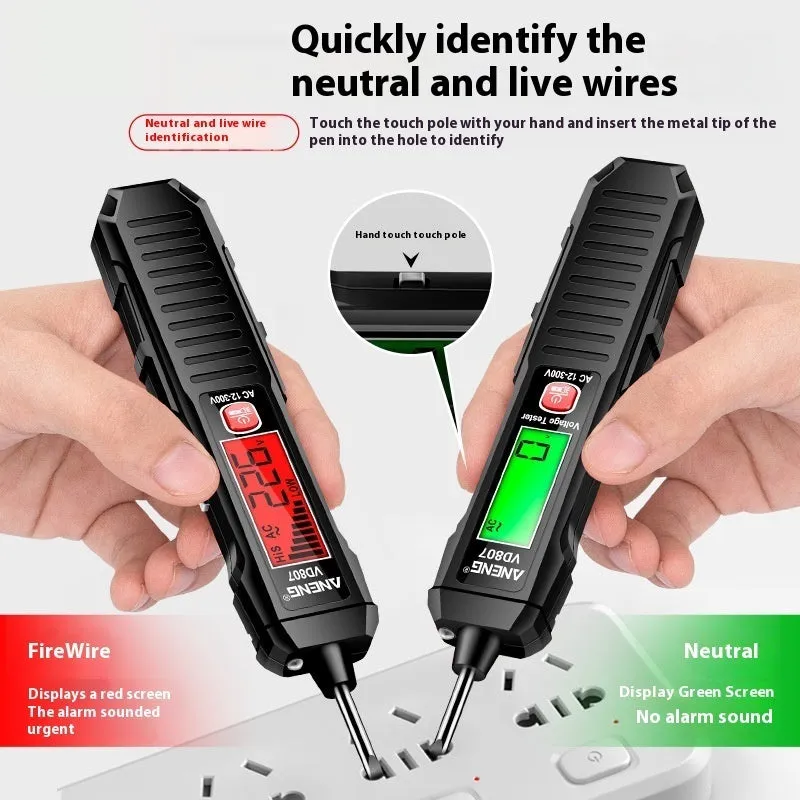
The testing pen combines several practical features into a single, handheld device. Its core function is non-contact voltage detection and measurement, supported by a clear digital readout and specific detection modes.
Material and Build
The main body of the testing pen is constructed from plastic, creating a lightweight and insulated housing for the internal electronics. This material choice helps keep the overall weight down for comfortable extended use and provides a basic level of electrical insulation. The pen-shaped form factor is designed for easy one-handed operation, allowing the user to probe test points while viewing the LCD screen.
Size and Practical Fit
The compact, pen-like dimensions make this tester straightforward to carry in a shirt pocket, tool belt, or small kit bag. Its portable nature means it can be taken to job sites, used in vehicle electrical systems, or kept handy for home electrical checks without occupying significant space. The design prioritises straightforward functionality over complex controls, with the LCD screen positioned for clear visibility during testing.
Uses and Placement
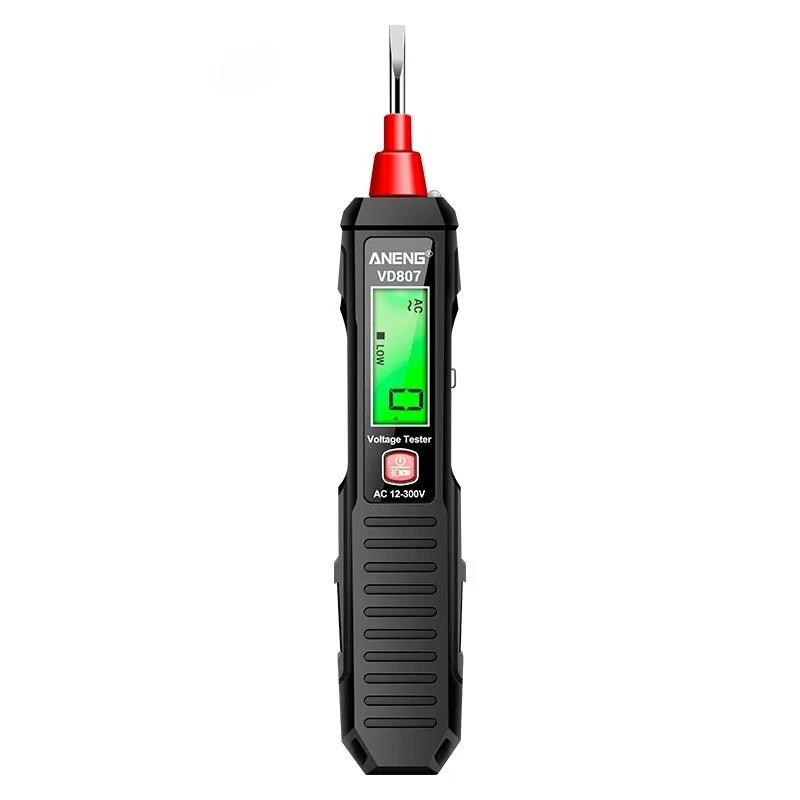
This voltage tester is suited for a variety of electrical checking and diagnostic tasks. Its measurement range and features make it applicable in both professional and domestic settings where verifying voltage presence and level is necessary.
Event or Professional Use
For electricians and maintenance technicians, the tester offers a quick way to verify circuit status, check for correct voltage at outlets, and identify live and neutral conductors before working on equipment. The 12V–300V range covers typical automotive systems, control circuits, and standard mains supplies. The zero line detection can assist in troubleshooting wiring issues where neutral and earth continuity needs confirmation, supporting safe working practices.
Everyday Home Use
Homeowners and DIY users can employ the pen to safely check if outlets are live, test light fittings, or diagnose problems with appliances. The digital display removes ambiguity compared to glow-type testers, showing the actual voltage present. Its battery-powered operation means it can be used in sheds, garages, or gardens where mains power isn't available for a plug-in tester, providing flexibility for various household electrical tasks.
Benefits and Buying Value

The testing pen provides specific advantages through its design and feature set. Its value lies in combining multiple functions into one portable device, reducing the need for several separate tools.
Reuse and Low Maintenance
As a durable electronic tool, the testing pen is designed for repeated use over time. Maintenance primarily involves occasional replacement of the dry battery, a low-cost and widely available component. The plastic housing should be kept clean and dry to maintain legibility of the LCD screen and ensure reliable probe contact. With proper care, it serves as a long-term addition to a personal or professional toolkit.
Why Choose This Product
This digital testing pen is selected for its clear LCD readout, which provides more information than a simple indicator light, and its dedicated zero line detection function. The wide 12V–300V range makes it versatile for different voltage systems, while the battery power and pen format ensure it is always ready to use. It represents a practical midpoint between basic test lamps and more expensive multimeters, focusing specifically on voltage detection with enhanced clarity and safety-oriented features.